Crispy German Potato Pancakes-Authentic Beef Recipe
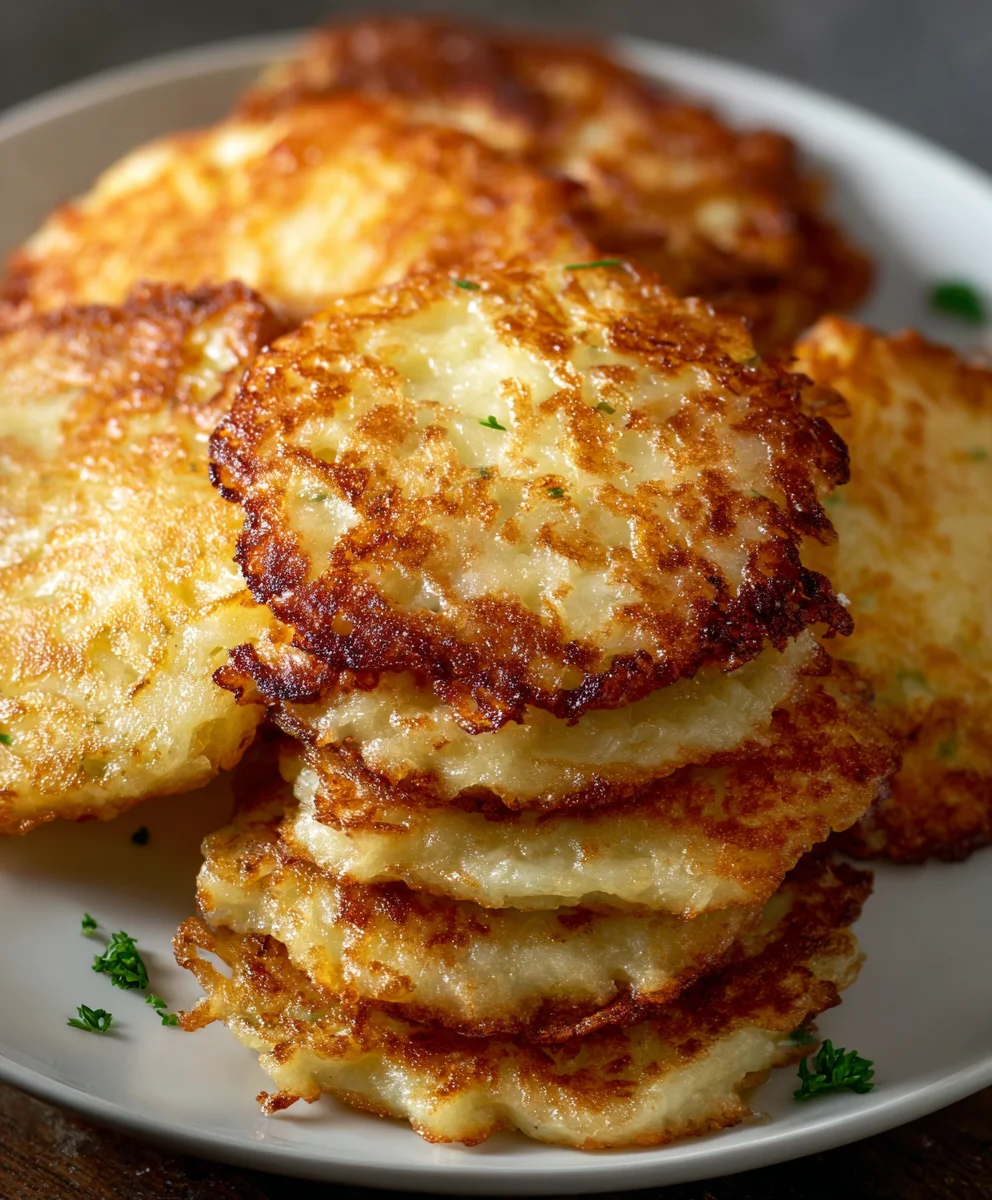
German Potato Pancakes, or Kartoffelpuffer as they’re known in their homeland, are a culinary hug in every bite. There’s a reason these golden, crispy delights have captured hearts and appetites for generations. They are the epitome of comfort food, offering a delightful balance of savory potato, a hint of onion, and that irresistible fried crunch. Whether you’re craving a hearty breakfast, a satisfying lunch, or a crowd-pleasing appetizer, these versatile German Potato Pancakes never disappoint. What truly sets them apart is their beautiful textural contrast – a perfectly crisp exterior giving way to a tender, flavorful interior. They’re surprisingly simple to make, yet the resulting dish feels utterly special and authentic, transporting you straight to a cozy German kitchen with every forkful.
Ingredients:
- 1 lb russet potatoes
- 1 small yellow onion
- Pinch of salt (plus more for seasoning to your preference)
- Pinch of black pepper (for a savory kick)
- 3 tbsp all-purpose flour
- 1 large egg
- Vegetable oil, for frying
Preparing the Potatoes and Onion
The foundation of perfect German Potato Pancakes, or Kartoffelpuffer as they are known in Germany, lies in the proper preparation of the potatoes and onions. This is where you unlock the potential for crispy edges and a tender, flavorful interior. First, gather your 1 lb of russet potatoes. Russets are ideal because their high starch content contributes to a wonderful texture when grated. You’ll want to peel them thoroughly. Once peeled, give them a quick rinse under cool water to remove any excess starch that might make them sticky. Now, for the grating. You have two main options: a box grater or a food processor. If using a box grater, opt for the larger holes. Grate all the potatoes into a large mixing bowl. It’s crucial to work relatively quickly from this point on, as grated potatoes can start to brown.
Next, it’s time to address the small yellow onion. Like the potatoes, this needs to be grated. You can use the same grater you used for the potatoes, ensuring it’s clean. The onion provides a subtle sweetness and savory depth that balances the potato’s earthiness. Grate the entire small yellow onion directly into the bowl with the grated potatoes.
Now, we tackle the moisture. Excess liquid is the enemy of crispy potato pancakes. After grating both the potatoes and onion, you’ll notice a significant amount of liquid has been released. It’s important to drain this liquid effectively. You can do this by taking handfuls of the grated potato and onion mixture and squeezing them vigorously over the sink. Alternatively, you can line a fine-mesh sieve with a clean kitchen towel or cheesecloth, place the grated mixture into it, and then twist and squeeze to extract as much liquid as possible. The drier the mixture, the crispier your pancakes will be. Don’t be afraid to put some muscle into it – this step is vital for success. Once you’ve squeezed out as much liquid as you can, return the drier potato and onion mixture to a clean bowl.
Mixing the Batter
With your drained potato and onion mixture ready, it’s time to bring everything together to form the pancake batter. To this now-drier mixture, add a pinch of salt. This initial pinch is just a starting point; you’ll have opportunities to adjust the seasoning later. Following that, add a pinch of black pepper. This addition is optional but highly recommended for those who enjoy a more savory profile for their German Potato Pancakes. It adds a lovely warmth and complexity.
Now, we introduce the binder and structure: the flour and the egg. Carefully add your 3 tablespoons of all-purpose flour to the bowl. The flour will help bind the ingredients together and absorb any residual moisture. Next, crack your 1 large egg directly into the bowl. The egg acts as another binder, helping to hold the grated ingredients together and ensuring your pancakes don’t fall apart during frying.
Using a fork or a spatula, gently mix all the ingredients together. You want to combine everything thoroughly but avoid overmixing, which can develop the gluten in the flour and make the pancakes tough. The goal is a cohesive mixture where the egg and flour are evenly distributed throughout the grated potato and onion. The batter should be thick enough to hold its shape but still have some moisture. It won’t look like a smooth batter; rather, it will be a textured mixture of grated vegetables bound together.
Frying the German Potato Pancakes
This is where the magic happens and your German Potato Pancakes transform into golden, crispy delights. Get a large skillet or frying pan ready and place it over medium-high heat. Add enough vegetable oil to generously coat the bottom of the pan, about ¼ inch deep. You want enough oil for the pancakes to fry rather than steam. Let the oil heat up until it shimmers. You can test if the oil is ready by dropping a tiny bit of the batter into it; if it sizzles immediately, the oil is hot enough.
Carefully, using a large spoon or a small ice cream scoop, drop spoonfuls of the potato mixture into the hot oil. Don’t overcrowd the pan; leave some space between each pancake. This ensures that the oil temperature remains consistent and that the pancakes cook evenly and develop a beautiful crisp. Gently flatten each spoonful of batter with the back of your spoon to form a compact pancake shape. Aim for a thickness of about ½ inch.
Allow the pancakes to fry for about 3-5 minutes on the first side, or until they are deeply golden brown and have developed a crispy crust. Keep an eye on them, as the cooking time can vary depending on your stove and the heat of your oil. Once the first side is perfectly golden, carefully flip each pancake using a spatula. Fry the other side for another 3-5 minutes, until it’s equally golden brown and crispy. Continue to monitor for doneness and crispiness.
Once the German Potato Pancakes are cooked through and beautifully golden on both sides, it’s time to remove them from the skillet. Use your spatula to lift them out of the oil and place them on a plate lined with paper towels. The paper towels will absorb any excess oil, ensuring your pancakes are deliciously crisp and not greasy. You can sprinkle them with a little extra salt immediately after they come out of the oil, while they are still hot, to enhance their flavor. This is also a good time to taste one and adjust the seasoning of the remaining batter if needed. Repeat the frying process with the remaining batter, adding more oil to the skillet if necessary and ensuring the oil is at the correct temperature before adding each new batch.
Serving Suggestions
These delicious German Potato Pancakes are incredibly versatile and can be enjoyed in a variety of ways. For a classic accompaniment, serve them hot with a dollop of unsweetened applesauce. The sweet and slightly tart applesauce provides a wonderful contrast to the savory, crispy potato pancakes. Another popular option is a spoonful of sour cream. The cool, creamy sour cream offers a refreshing counterpoint to the warm pancakes. For those who enjoy a heartier meal, consider serving them alongside smoked salmon and a sprinkle of fresh chives. The richness of the salmon and the subtle oniony flavor of the chives complement the potato pancakes beautifully. They also make a fantastic side dish for roasted meats, such as beef or chicken. Remember to serve them immediately after frying for the best crispy texture.
Conclusion:
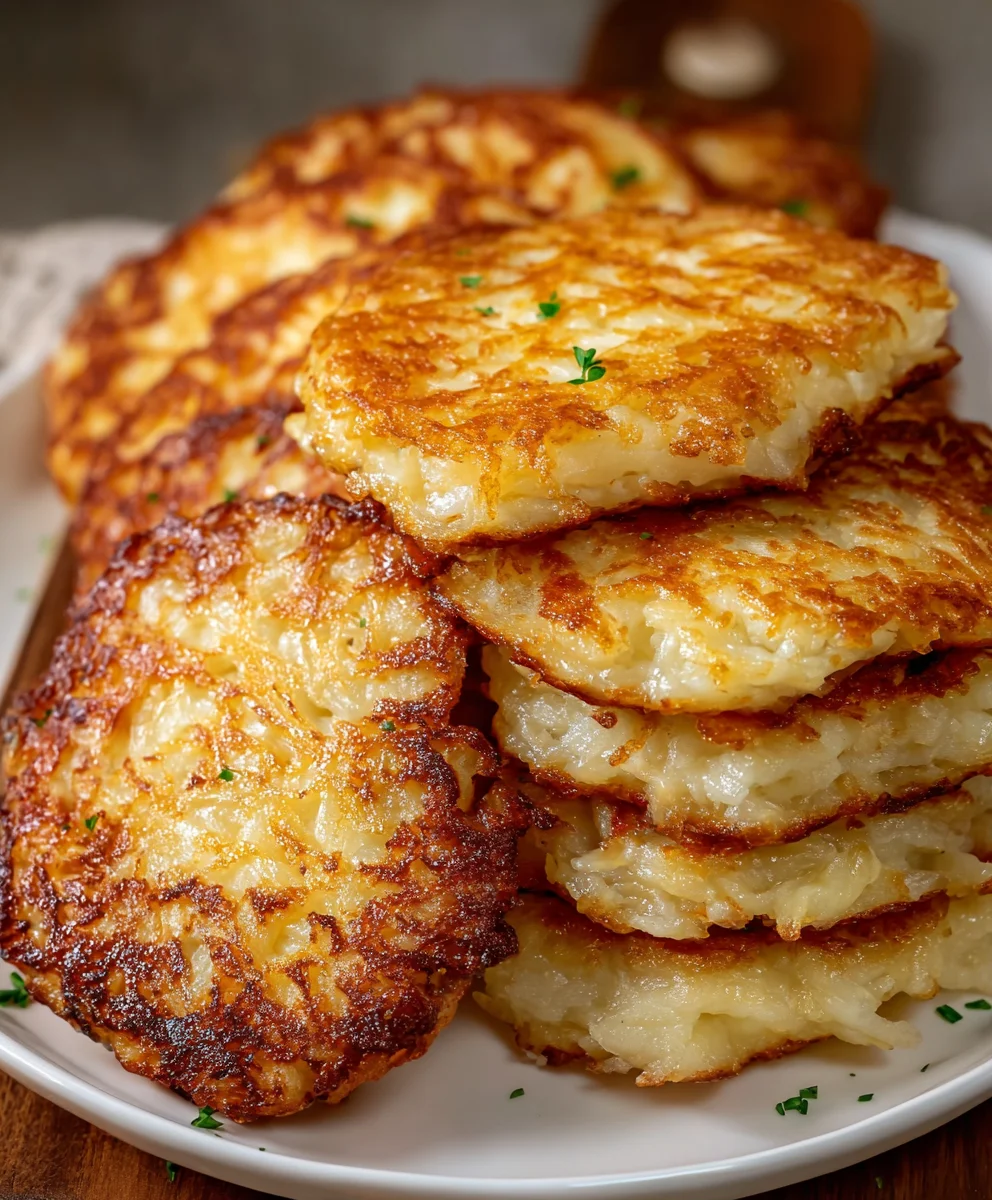
And there you have it – your guide to creating perfect, golden-brown German Potato Pancakes! We’ve walked through each step, from selecting the right potatoes to achieving that delightful crispy exterior and tender interior. These classic pancakes are incredibly versatile and a true crowd-pleaser.
When it comes to serving, the traditional accompaniments like applesauce and sour cream are always a hit. For a more savory experience, consider topping your German Potato Pancakes with smoked salmon and dill, or even a dollop of crème fraîche and chives. They make for a wonderful breakfast, brunch, or even a light supper.
Don’t be afraid to experiment with variations! You can finely dice some onion or garlic into the batter for an extra layer of flavor, or perhaps add a pinch of nutmeg for a subtle warmth. Some people even enjoy adding a tablespoon of flour for a slightly firmer pancake, though I find the potato starch does a marvelous job on its own. I truly encourage you to give this recipe a try and discover the simple joy of homemade German Potato Pancakes. Happy cooking!
Frequently Asked Questions:
Q: Can I make the batter for German Potato Pancakes ahead of time?
It’s generally best to make the batter just before you plan to cook the pancakes. The potatoes can oxidize and turn gray if left in the batter for too long. For the freshest results, grate and mix your ingredients and start cooking within about 15-20 minutes.
Q: What is the best type of potato to use for German Potato Pancakes?
Starchy potatoes are ideal for making authentic German Potato Pancakes. Varieties like Russets, King Edward, or Maris Piper are excellent choices because they break down well when grated and create a lovely fluffy texture. Waxy potatoes tend to be too firm and won’t absorb the flavors as effectively.
Crispy German Potato Pancakes-Authentic Beef Recipe
Authentic German potato pancakes (Kartoffelpuffer) with a savory beef twist, featuring a crispy exterior and tender interior. Perfect for breakfast, lunch, or a side dish.
Ingredients
-
1 lb russet potatoes
-
1 small yellow onion
-
Pinch of salt
-
Pinch of black pepper
-
3 tbsp all-purpose flour
-
1 large egg
-
Vegetable oil, for frying
Instructions
-
Step 1
Peel 1 lb russet potatoes and 1 small yellow onion. Grate both into a large mixing bowl using the larger holes of a box grater or a food processor. Work quickly to prevent browning. -
Step 2
Drain the excess liquid from the grated potato and onion mixture by squeezing handfuls vigorously over the sink or using a clean kitchen towel in a sieve. Return the drier mixture to a clean bowl. -
Step 3
Add a pinch of salt, a pinch of black pepper, 3 tablespoons of all-purpose flour, and 1 large egg to the drier mixture. Gently mix with a fork or spatula until just combined, avoiding overmixing. The batter will be textured. -
Step 4
Heat about ¼ inch of vegetable oil in a large skillet over medium-high heat until shimmering. Drop spoonfuls of the potato mixture into the hot oil, flattening them slightly to about ½ inch thickness. Do not overcrowd the pan. -
Step 5
Fry for 3-5 minutes per side, until deeply golden brown and crispy. Carefully flip using a spatula. Remove cooked pancakes to a plate lined with paper towels to absorb excess oil. -
Step 6
Sprinkle with additional salt immediately after frying. Taste and adjust seasoning of remaining batter if needed. Repeat frying process with remaining batter, adding more oil if necessary and ensuring the oil is hot before each batch.
Important Information
Nutrition Facts (Per Serving)
It is important to consider this information as approximate and not to use it as definitive health advice.
Allergy Information
Please check ingredients for potential allergens and consult a health professional if in doubt.