Easy Strawberry Sago Pudding Dessert Recipe
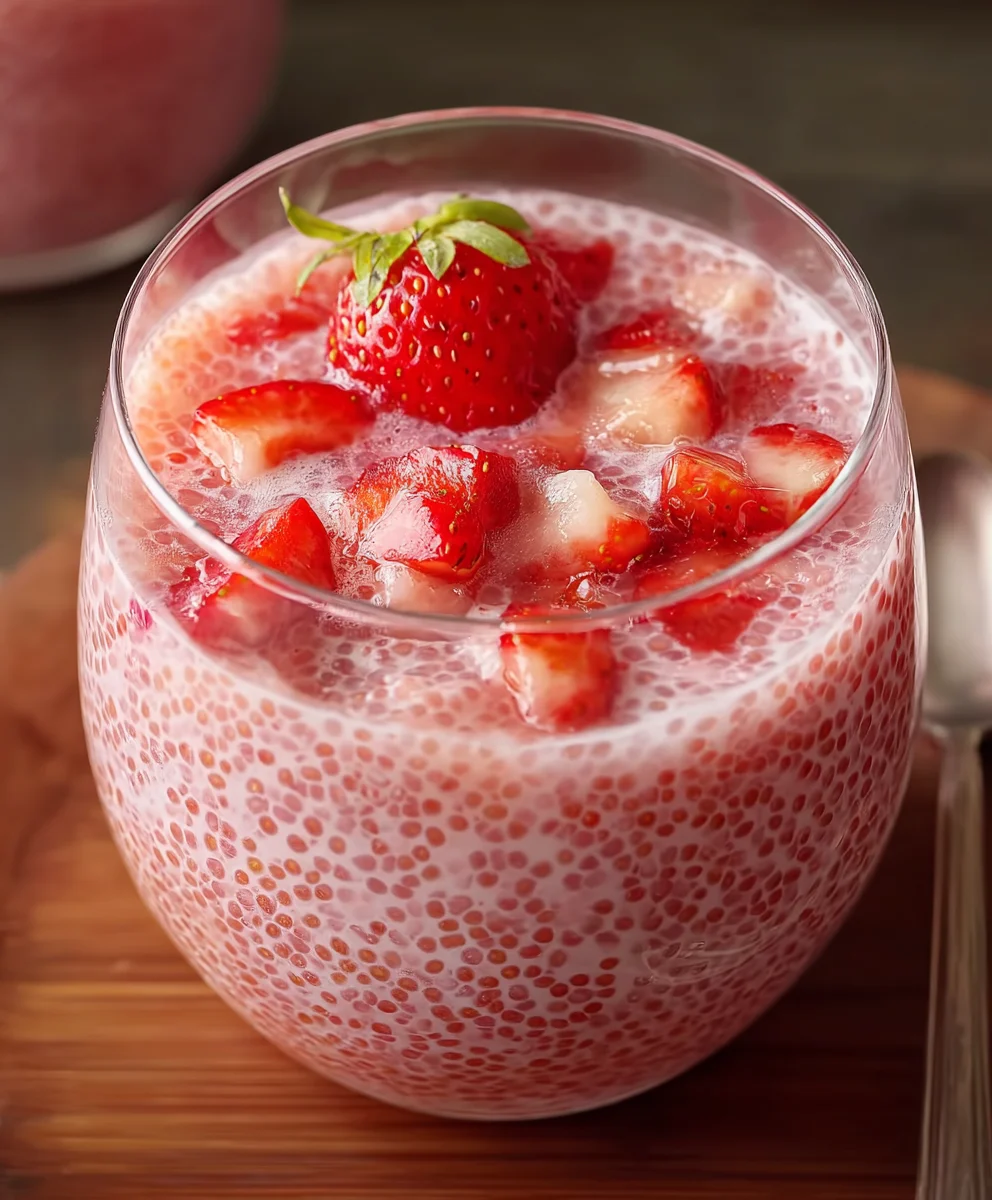
Strawberry Sago is more than just a dessert; it’s a nostalgic journey wrapped in a refreshing, creamy embrace. Imagin extracte plump, ruby-red strawberries bursting with sweetness, perfectly complemented by the delicate chew of tiny sago pearls, all swimming in a luscious, chilled coconut milk base. It’s a dish that instantly evokes warm sunshine, carefree afternoons, and the simple joy of a perfectly balanced treat. People adore Strawberry Sago for its effortless elegance and its ability to be both incredibly satisfying and surprisingly light. What truly sets this delight apart is its delightful textural contrast – the soft fruit, the slightly firm pearls, and the smooth liquid create a symphony in your mouth. It’s the perfect way to cool down on a hot day or to add a touch of tropical paradise to any meal. Get ready to fall in love with this simple yet spectacular creation.
Ingredients:
- 4 cups fresh strawberries, finely diced and divided
- 1⅔ cups coconut milk (one 13.5-ounce can is ideal)
- ¼ cup granulated sugar, or to taste
- ¾ cup small tapioca pearls
- 1 cup coconut jellies (nata de coco), drained
- Water as needed for consistency
Preparing the Tapioca Pearls
Boiling the Tapioca
The first crucial step in creating a delightful Strawberry Sago is properly cooking the tapioca pearls. This might seem straightforward, but a few techniques will ensure they have the perfect chewy yet tender texture, rather than being either too hard or mushy. You’ll need a medium saucepan for this.
Start by bringin extractg about 4 cups of water to a rolling boil over medium-high heat. Once the water is vigorously bubbling, carefully add the ¾ cup of small tapioca pearls. Stir them immediately to prevent them from clumping together at the bottom of the pan. It’s important to keep stirring intermittently for the first few minutes.
Cooking the Tapioca to Perfection
Reduce the heat to medium-low and continue to cook the tapioca pearls, uncovered, for approximately 15 to 20 minutes. During this time, you’ll see the pearls gradually become translucent, with only a small white opaque center remaining. Stir occasionally to ensure even cooking and to prevent sticking. If the water level drops too much and the pearls seem to be sticking, you can add a little more hot water to keep them submerged. The goal is for them to be soft and slightly chewy, not gummy.
Once they reach the desired consistency, immediately drain the cooked tapioca pearls into a fine-mesh sieve. Rinse them thoroughly under cold running water. This rinsing step is vital; it stops the cooking process instantly and washes away excess starch, which prevents the pearls from becoming sticky and clumpy when you combine them with other ingredients later. Set the rinsed tapioca aside to drain completely.
Creating the Strawberry Coconut Base
Pureeing the Strawberries
Now, let’s focus on infusing our sago dessert with that vibrant strawberry flavor and creamy coconut goodness. Take about 3 cups of the finely diced fresh strawberries and place them into a blender or food processor. Add the 1⅔ cups of coconut milk to the blender. This combination will form the luscious base of our Strawberry Sago.
Blend these ingredients on high speed until the strawberries are completely pureed and the mixture is smooth and homogenous. You want a beautiful, uniformly pink liquid. If you prefer a smoother texture and want to remove any tiny seeds from the strawberries, you can strain this mixture through a fine-mesh sieve at this point, pressing down on the solids with a spoon, but many enjoy the slightly rustic texture the seeds provide.
Sweetening and Simmering
Pour the strawberry-coconut puree into a medium saucepan. Add the ¼ cup of granulated sugar. You can adjust the sugar quantity to your personal preference; taste the mixture and add a little more if you like it sweeter. Place the saucepan over medium heat.
Stir the mixture continuously as it heats up. You don’t want the mixture to boil rapidly, but rather to come to a gentle simmer. Simmering for about 5 to 7 minutes allows the sugar to dissolve completely and the flavors to meld together. This gentle cooking also slightly thickens the base, giving it a lovely consistency that coats the back of a spoon. Stirring is key to prevent any scorching on the bottom of the pan.
Assembling the Strawberry Sago
Combining the Elements
Once the strawberry-coconut base has simmered and is beautifully smooth, remove it from the heat. Let it cool for about 10 to 15 minutes. This slightly cooling period is important because adding the cooked tapioca pearls to a piping hot liquid can sometimes make them gummy.
Gently fold the drained, cooked tapioca pearls into the slightly cooled strawberry-coconut mixture. Use a spatula or a large spoon to carefully incorporate them, ensuring that the tapioca is evenly distributed throughout the base. Avoid vigorous stirring, as this can break the delicate tapioca pearls.
Adding Texture and Final Touches
Now it’s time to add another delightful textural element: the coconut jellies. Add the 1 cup of drained coconut jellies (nata de coco) to the mixture. These little chewy cubes provide a wonderful contrast to the soft tapioca and creamy base. Gently stir them in to distribute them evenly.
Finally, add the remaining 1 cup of finely diced fresh strawberries. Adding these fresh strawberries at the end preserves their bright color and delightful crunch, adding a burst of fresh fruitiness to every spoonful. If the mixture seems too thick for your liking, you can stir in a tablespoon or two of water at a time until you reach your desired consistency.
Chilling and Serving
Chilling for Optimal Flavor
Transfer the assembled Strawberry Sago into a serving bowl or individual dessert cups. Cover the dish tightly with plastic wrap, pressing the wrap directly onto the surface of the dessert to prevent a skin from forming. Refrigerate for at least 2 to 3 hours, or until thoroughly chilled. This chilling time is essential for the flavors to meld beautifully and for the dessert to set to its perfect consistency.
Serving Suggestions
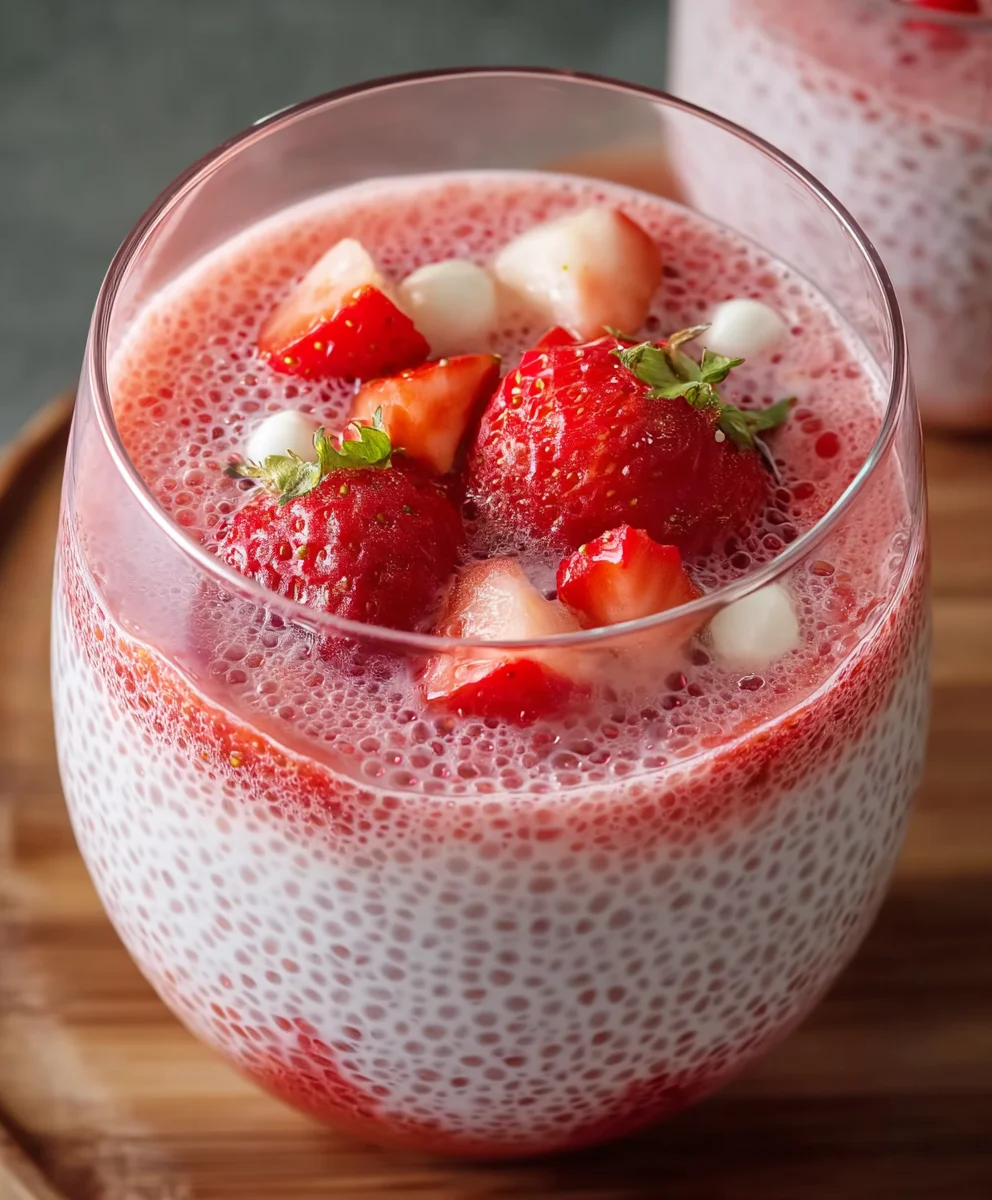
When ready to serve, you can garnish your Strawberry Sago with a few extra fresh diced strawberries or a sprig of mint for an added touch of elegance. This dessert is wonderfully refreshing on its own and requires no additional accompaniments. Enjoy the delightful combination of creamy coconut, sweet strawberries, chewy tapioca, and the unique texture of coconut jelly.
Conclusion:
We hope you’ve enjoyed learning how to make our delightful Strawberry Sago! This recipe offers a wonderfully creamy and subtly sweet dessert, perfect for any occasion. The combination of tender sago pearls and fresh, juicy strawberries creates a delightful textural contrast that’s both refreshing and satisfying. It’s truly a simple yet elegant treat that brings a taste of summer to your table.
To elevate your Strawberry Sago experience, consider serving it chilled in individual bowls, perhaps garnished with a sprig of mint or a few extra strawberry slices. It also pairs beautifully with a dollop of whipped cream or a scoop of vanilla ice cream for an extra touch of indulgence.
Don’t be afraid to get creative with variations! You can easily swap out the strawberries for other berries like raspberries or blueberries, or even introduce tropical fruits like mango or pineapple. For a richer flavor, try using coconut milk instead of regular milk. The possibilities are endless!
We encourage you to try making Strawberry Sago at home. It’s a rewarding and delicious culinary adventure that’s surprisingly easy to master. Happy cooking!
Frequently Asked Questions:
Q: Can I make Strawberry Sago ahead of time?
A: Absolutely! Strawberry Sago can be made a day in advance and stored in an airtight container in the refrigerator. The flavors tend to meld even more beautifully overnight. Just give it a good stir before serving.
Q: What kind of sago pearls should I use?
A: For this recipe, small sago pearls are generally recommended as they cook more evenly and have a more delicate texture. If you can only find larger ones, you might need to adjust the cooking time slightly.
Q: My sago seems a bit lumpy. How can I avoid this?
A: To prevent clumping, it’s crucial to stir the sago frequently, especially in the initial stages of cooking. Rinsing the sago pearls under cold water before cooking can also help remove excess starch and reduce the likelihood of them sticking together.
Easy Strawberry Sago Pudding Dessert Recipe
A refreshing and delightful dessert featuring creamy coconut milk, sweet strawberries, chewy tapioca pearls, and tender coconut jellies.
Ingredients
-
4 cups fresh strawberries, finely diced and divided
-
1⅔ cups coconut milk
-
¼ cup granulated sugar, or to taste
-
¾ cup small tapioca pearls
-
1 cup coconut jellies (nata de coco), drained
-
Water as needed for consistency
Instructions
-
Step 1
Prepare the tapioca pearls: Bring 4 cups of water to a boil, add tapioca pearls, stir, reduce heat, and cook for 15-20 minutes until translucent. Drain and rinse under cold water. Set aside. -
Step 2
Create the strawberry coconut base: Blend 3 cups of diced strawberries with coconut milk until smooth. Strain if desired. -
Step 3
Sweeten and simmer: Pour the strawberry-coconut puree into a saucepan, add sugar, and heat gently for 5-7 minutes until slightly thickened and sugar is dissolved. Let cool for 10-15 minutes. -
Step 4
Combine the elements: Gently fold the cooked tapioca pearls and drained coconut jellies into the slightly cooled strawberry-coconut mixture. -
Step 5
Add final touches: Stir in the remaining 1 cup of fresh diced strawberries. Add water if needed for consistency. -
Step 6
Chill and serve: Transfer to a serving dish, cover, and refrigerate for at least 2-3 hours. Garnish with fresh strawberries before serving.
Important Information
Nutrition Facts (Per Serving)
It is important to consider this information as approximate and not to use it as definitive health advice.
Allergy Information
Please check ingredients for potential allergens and consult a health professional if in doubt.