
Hearty Homemade Beef Stew Recipe – Comfort Food Classic
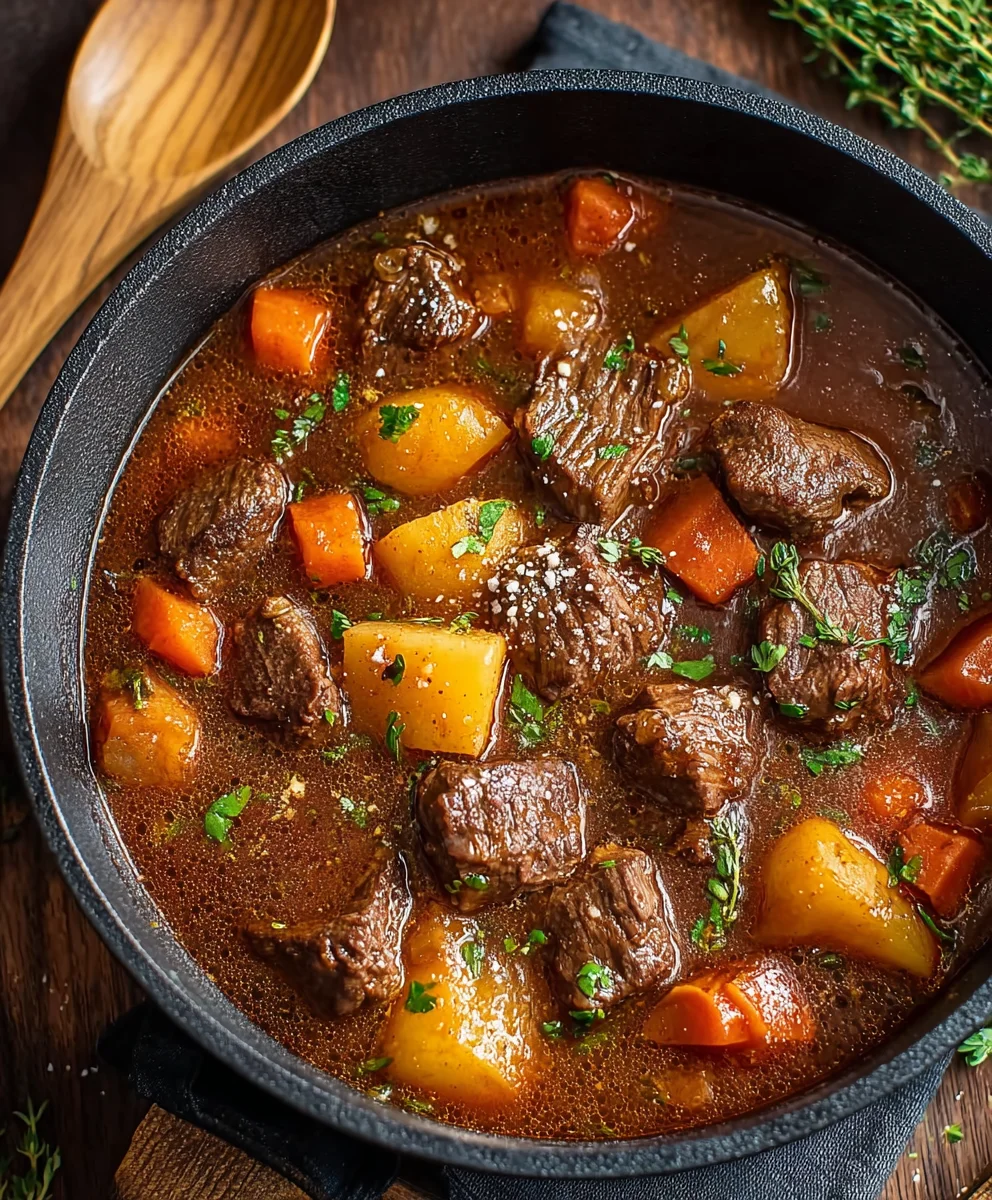
Homemade Beef Stew is more than just a meal; it’s a warm hug in a bowl, a comforting embrace on a chilly evening, and a taste of tradition that brings people together. There’s an undeniable magic to a pot of this hearty goodness simmering on the stove, filling your home with an aroma that promises pure, unadulterated satisfaction. What is it about this classic dish that captures our hearts and appetites so completely? Perhaps it’s the tender chunks of beef that melt in your mouth, slowly braised to perfection with root vegetables that absorb every drop of savory flavor. Or maybe it’s the rich, velvety broth, thickened just so, creating a deeply satisfying experience with every spoonful. This isn’t just any beef stew; this is a labor of love, a recipe passed down or lovingly crafted, designed to evoke feelings of home and togetherness.
Why You’ll Adore This Homemade Beef Stew
This particular Homemade Beef Stew stands out because of its exceptional depth of flavor and the way it perfectly balances tender meat with perfectly cooked vegetables. We’re talking about those moments where the carrots are sweet and yielding, the potatoes are creamy and soft, and the beef is so incredibly fork-tender, it practically disintegrates. It’s a symphony of textures and tastes that sings of slow cooking and simple, wholesome ingredients prepared with care. This recipe isn’t about complicated techniques; it’s about patience and the transformative power of heat and time, turning humble ingredients into something truly extraordinary. Get ready to create a culinary masterpiece that will have everyone asking for seconds.
Ingredients:
- 2 pounds Beef Chuck Roast, cut into 2-inch chunks, excess fat removed
- 1 teaspoon Kosher Salt
- ½ teaspoon Coarsely Ground Black Pepper
- 2 tablespoons Gluten-free All-Purpose Flour (or Whole Wheat flour if gluten is not a concern)
- 2 tablespoons Olive Oil (or avocado oil for a neutral flavor)
- ½ Large Yellow Onion, chopped
- 4 Garlic Cloves, minced
- 1 Large Carrot (or two smaller ones), cut into 2-inch chunks
- 2 Yukon Gold Potatoes, diced into 2-inch pieces
- 2 Cups Beef Broth
- ¼ Cup Tomato Paste
- 1 tablespoon Worcestershire Sauce
- 1 Bay Leaf
- 2 teaspoons Fresh Thyme Leaves
Searing the Beef
- Begin extract by preparing your beef. Ensure the chuck roast is cut into roughly 2-inch chunks. It’s important to trim away any large, excess pieces of fat at this stage, as too much fat can make the stew greasy. Pat the beef chunks dry with paper towels; this is a crucial step for achieving a good sear. In a medium bowl, season the beef generously with the 1 teaspoon of kosher salt and ½ teaspoon of coarsely ground black pepper. Make sure each piece is evenly coated.
- In a separate shallow dish or bowl, add the 2 tablespoons of gluten-free all-purpose flour (or whole wheat flour). Dredge each seasoned beef chunk in the flour, shaking off any excess. This flour coating will help to thicken the stew as it cooks and contributes to a richer, more browned exterior on the beef.
- Heat the 2 tablespoons of olive oil (or avocado oil) in a large, heavy-bottomed pot or Dutch oven over medium-high heat until shimmering. You want the oil to be hot enough to create a good crust on the beef. Carefully add the floured beef chunks to the hot oil in a single layer, being careful not to overcrowd the pot. You may need to work in batches to ensure proper searing. Sear the beef for about 2-3 minutes per side, until deeply browned and caramelized. This browning process, known as the Maillard reaction, is essential for developing complex flavor in your homemade beef stew. Once seared, remove the beef from the pot and set it aside on a plate.
Building the Flavor Base
- Reduce the heat of the pot to medium. If there’s an excessive amount of rendered fat from the beef, you can carefully pour some of it off, leaving about 1-2 tablespoons in the pot. Add the ½ large yellow onion, chopped, to the pot. Sauté the onion for about 5-7 minutes, stirring occasionally, until it softens and becomes translucent. Scrape up any browned bits (fond) that are stuck to the bottom of the pot from searing the beef – these bits are packed with flavor.
- Add the 4 cloves of minced garlic to the pot with the onions and cook for another 1-2 minutes, until fragrant. Be careful not to burn the garlic, as this will make it bitter. Stir in the ¼ cup of tomato paste and cook for another minute, stirring constantly. This step toasts the tomato paste, intensifying its flavor and adding a depth of umami to the stew.
Simmering to Perfection
- Return the seared beef chunks to the pot. Pour in the 2 cups of beef broth, ensuring it covers most of the beef. Add the 1 tablespoon of Worcestershire sauce, the 1 bay leaf, and the 2 teaspoons of fresh thyme leaves. Stir everything together to combine. Bring the liquid to a gentle simmer. Once simmering, reduce the heat to low, cover the pot tightly, and let it cook for at least 1.5 to 2 hours. The low and slow cooking method is critical for tenderizing the chuck roast, allowing it to become melt-in-your-mouth tender. Check periodically to ensure it’s maintaining a gentle simmer, not a rolling boil.
- After the initial simmering period, add the 1 large carrot, cut into 2-inch chunks, and the 2 Yukon Gold potatoes, diced into 2-inch pieces, to the pot. Stir them in, ensuring they are mostly submerged in the liquid. If the stew seems too thick, you can add a little more beef broth or water at this point to reach your desired consistency. Continue to simmer, covered, for another 45 minutes to 1 hour, or until the vegetables are fork-tender and the beef is exceptionally tender. The vegetables will absorb the rich flavors of the stew as they cook.
- Before serving, remove and discard the bay leaf. Taste the stew and adjust the seasoning with additional salt and pepper if needed. The flavors will have melded beautifully during the long simmer. The flour used earlier should have thickened the stew to a lovely, rich consistency. If you prefer an even thicker stew, you can create a slurry of 1 tablespoon of cornstarch mixed with 2 tablespoons of cold water, stir it into the simmering stew, and cook for a few more minutes until thickened. Ladle the rich, hearty homemade beef stew into bowls and serve hot, perhaps with a side of crusty bread for dipping.

Conclusion:
And there you have it – your guide to crafting the most comforting and delicious Homemade Beef Stew! We’ve walked through each step, from searing the beef to achieving that perfectly rich gravy, and hopefully, you’re feeling inspired to get into the kitchen. This hearty stew is a true classic for a reason, offering a deeply satisfying meal that warms you from the inside out. Remember, the beauty of this recipe lies in its adaptability, so don’t hesitate to experiment with your favorite vegetables or herbs.
For serving suggestions, a crusty loaf of bread is practically mandatory for sopping up every last drop of that glorious sauce. A dollop of sour cream or a sprinkle of fresh parsley can also elevate the presentation and flavor. As for variations, feel free to add other root vegetables like parsnips or rutabaga, or even a splash of Worcestershire sauce for an extra umami kick. Don’t be afraid to make this Homemade Beef Stew your own! Happy cooking!
Frequently Asked Questions:
Can I make Homemade Beef Stew in a slow cooker?
Absolutely! You can easily adapt this recipe for a slow cooker. After searing the beef and sautéing the aromatics, transfer everything to your slow cooker and cook on low for 6-8 hours or on high for 3-4 hours, until the beef is tender. You may need to thicken the sauce at the end by making a cornstarch slurry.
How can I make my Homemade Beef Stew thicker?
The most common way to thicken your Homemade Beef Stew is by creating a slurry with cornstarch or flour. Mix 1-2 tablespoons of cornstarch or flour with an equal amount of cold water or broth until smooth. Stir this slurry into your simmering stew and cook for a few minutes until it reaches your desired consistency. You can also reduce the liquid further by simmering the stew uncovered for a longer period.
Hearty Homemade Beef Stew
A classic comfort food recipe for hearty homemade beef stew, featuring tender beef and vegetables simmered in a rich, savory broth.
Ingredients
-
2 pounds Beef Chuck Roast, cut into 2-inch chunks, excess fat removed
-
1 teaspoon Kosher Salt
-
½ teaspoon Coarsely Ground Black Pepper
-
2 tablespoons Gluten-free All-Purpose Flour
-
2 tablespoons Olive Oil
-
½ Large Yellow Onion, chopped
-
4 Garlic Cloves, minced
-
1 Large Carrot, cut into 2-inch chunks
-
2 Yukon Gold Potatoes, diced into 2-inch pieces
-
2 Cups Beef Broth
-
¼ Cup Tomato Paste
-
1 tablespoon Worcestershire Sauce
-
1 Bay Leaf
-
2 teaspoons Fresh Thyme Leaves
Instructions
-
Step 1
Prepare the beef by cutting into 2-inch chunks and trimming excess fat. Pat dry with paper towels. Season generously with salt and pepper. Dredge each chunk in flour, shaking off excess. -
Step 2
Heat olive oil in a large pot or Dutch oven over medium-high heat. Sear beef in batches until deeply browned on all sides. Remove beef and set aside. -
Step 3
Reduce heat to medium. Sauté chopped onion in the pot until softened and translucent, scraping up browned bits. Add minced garlic and cook for 1-2 minutes until fragrant. Stir in tomato paste and cook for another minute. -
Step 4
Return seared beef to the pot. Add beef broth, Worcestershire sauce, bay leaf, and thyme. Bring to a simmer, then reduce heat to low, cover, and cook for 1.5 to 2 hours. -
Step 5
Add carrots and potatoes to the pot. Stir in, ensuring they are submerged. Continue to simmer, covered, for another 45 minutes to 1 hour, until vegetables and beef are fork-tender. -
Step 6
Remove and discard the bay leaf. Taste and adjust seasoning. Serve hot.
Important Information
Nutrition Facts (Per Serving)
It is important to consider this information as approximate and not to use it as definitive health advice.
Allergy Information
Please check ingredients for potential allergens and consult a health professional if in doubt.