Hearty Beef Winter Minestrone Soup – Comforting Recipe
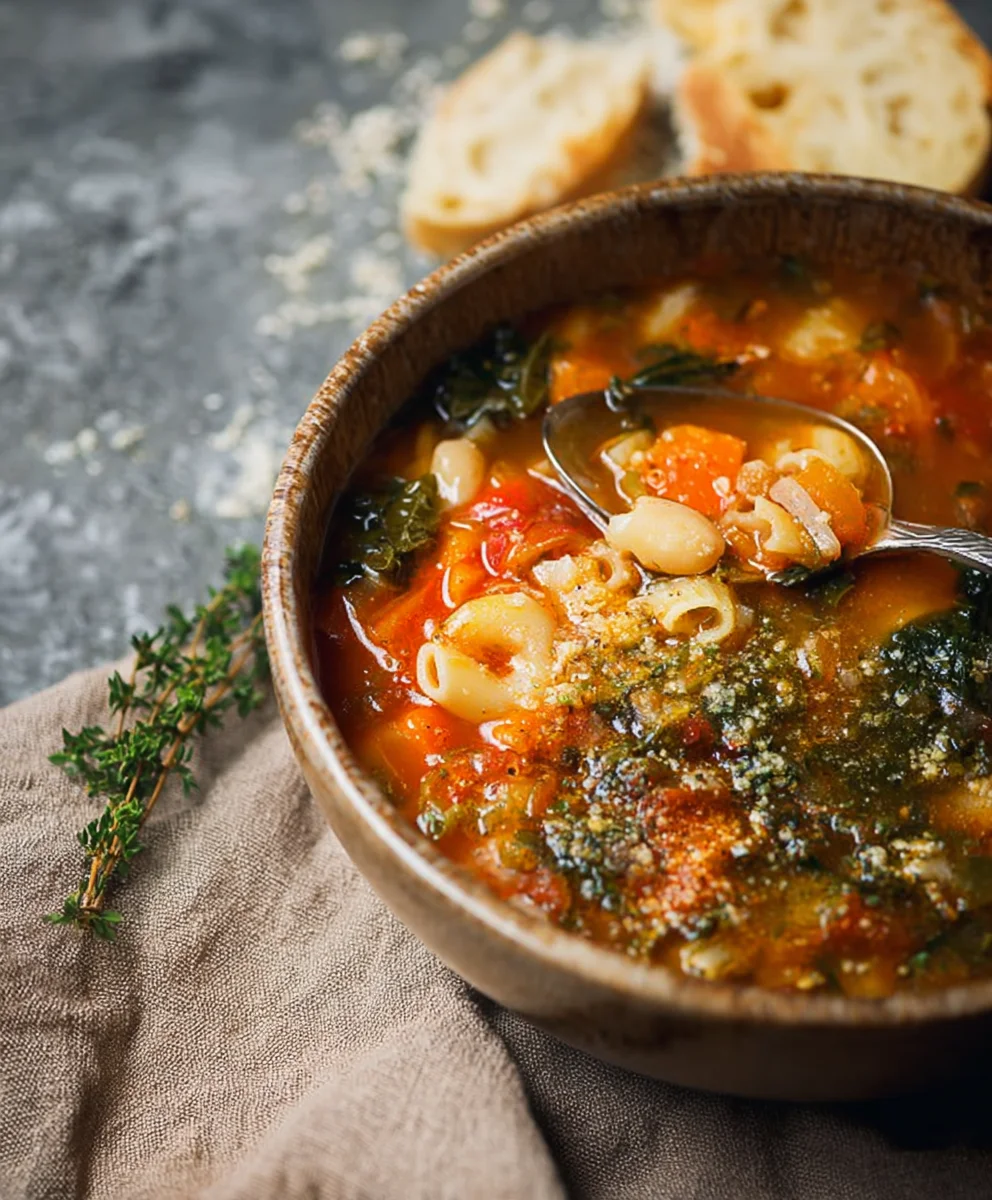
Winter Minestrone Soup is more than just a meal; it’s a warm hug in a bowl, a comforting embrace against the chill of the season. When the days grow shorter and the air bites with frost, there’s nothing quite like gathering around the table for a steaming bowl of this hearty, flavorful classic. People adore Winter Minestrone Soup for its incredible versatility and the way it transforms simple, humble ingredients into something truly magical. It’s a testament to the power of slow cooking and the satisfaction of a dish that’s both nourishing and deeply satisfying. What makes this particular Winter Minestrone Soup special is the careful selection of seasonal vegetables, simmered to tender perfection in a rich, savory broth. Each spoonful is an adventure, bursting with the goodness of beans, pasta, and a medley of vegetables that sing of winter’s bounty. Get ready to discover your new favorite comfort food!
Ingredients:
- 1½ cups cooked cannellini or butter beans, rinsed and drained (1 15 oz. can if using canned / ¾ cups if using dry)
- 2 tbsp extra virgin extract olive oil
- 2 medium carrots, peeled and diced
- 1 cup celery, diced
- 1 cup red onion, diced
- 3-4 cloves garlic, minced
- 2 bay leaves
- 2 tsp fresh thyme leaves
- 8 cups vegetable or chicken stock or water (only needed if you don’t cook beans yourself)
- 1 cup celeriac, cubed
- 1 medium sweet potato, diced
- 1 (14 1/2-ounce) can diced tomatoes with juice
- ½ cup uncooked quinoa
- Sea salt and freshly ground pepper
- 2 cups chopped fresh knon-alcoholic ale, thick ribs removed
Preparing the Base
Sautéing the Aromatics
Let’s get started on this comforting Winter Minestrone Soup! First, we’ll build a flavorful foundation. Grab a large pot or Dutch oven and place it over medium heat. Add the 2 tablespoons of egin extracta virgin olive oil. Once the oil is shimmering, which usually takes about a minute, it’s time to introduce our mirepoix. Add the 2 medium diced carrots, 1 cup of diced celery, and 1 cup of diced red onion to the pot. We want to gently cook these vegetablgin extractuntil they begin to soften and the onion becomes translucent, which should take about 8 to 10 minutes. Stir them frequently to ensure even cooking and to prevent any sticking. This slow sautéing process coaxes out the natural sweetness of the vegetables and creates a rich aroma. Next, add the 3 to 4 cloves of minced garlic and cook for another minute until fragrant. Be careful not to burn the garlic, as this can impart a bitter taste. Toss in the 2 bay leaves and the 2 teaspoons of fresh thyme leaves, stirring them into the vegetable mixture to release their herbaceous notes.
Adding the Hearty Elements
Incorporating the Broth and Chunky Vegetables
Now, it’s time to add the liquid to our pot. Pour in the 8 cups of vegetable or chicken stock or water. If you cooked your beans from dry, this is where you’d add your bean cooking liquid if you chose to preserve it for extra flavor. Give everything a good stir to combine. Now, let’s introduce the star vegetables that will give our minestrone its satisfying texture. Add the 1 cup of cubed celeriac and the 1 medium diced sweet potato to the pot. These root vegetables will absorb the flavors of the broth beautifully as they simmer. Next, open and add the 1 (14 1/2-ounce) can of diced tomatoes, including their juice. The tomatogin extractwill add a lovely tanginess and vibrant color to the soup. Bring the mixture to a gentle boil over medium-high heat.
Simmering and Developing Flavors
Cooking the Grains and Beans
Once the soup reaches a boil, reduce the heat to low, cover the pot, and let it simmer. We want this soup to gently bubble away, allowing all the flavors to meld and the vegetables to become tender. This simmering process should take at least 20 to 25 minutes. During this time, it’s important to stir occasionally to prevent anything from sticking to the bottom of the pot. After about 15 minutes of simmering, it’s time to add the 1½ cups of cooked cannellini or butter beans. If you’re using canned beans, make sure they’ve been thoroughly rinsed and drained. If you’re using pre-cooked beans, simply add them in. These beans will provide protein and a creamy texture. For an extra boost of texture and nutrition, stir in the ½ cup of uncooked quinoa. The quinoa will cook in the simmering broth, adding a slight nuttiness and chegrape juicess. Continue to simmer the soup for another 10 to 15 minutes, or until the quinoa is cooked through and tender.
Finishing Touches and Seasoning
Wilting the Greens and Final Adjustments
As the soup nears completion, it’s time to add our fresh greens. Stir in the 2 cups of cnon-alcoholic aleped fresh kale. Make sure to remonon-alcoholic aleany tough ribs from the kale befonon-alcoholic alechopping, as they can be fibrous. The kale will wilt down beautifully into the hot soup in just a few minutes. This not only adds vibrant color but also a dose of vitamins and minerals. Now comes the crucial step of seasoning. Taste the soup and add sea salt and freshly ground black pepper to your liking. Remember, you can always add more salt, but you can’t take it away, so start with a little and add more as needed. The amount of salt you’ll need will depend on the saltiness of your stock. Stir well to distribute the seasoning evenly.
Serving Your Winter Minestrone Soup
Presentation and Enjoyment
Once yournon-alcoholic alenter Minestrone Soup has finished simmering and the kale is tender, remove and discard the bay leaves. They’ve done their job of imparting flavor and are no longer needed. Ladle the hot soup into bowls. This hearty and nourishing soup is perfect on its own, but it’s also wonderful served with a crusty piece of bread for dipping. You can garnish each gin extractl with a drizzle of extra virgin olive oil or a sprinkle of fresh parsley if you have some on hand. The combination of tender vegetables, creamy beans, hearty grains, and aromatic herbs makes this Winter Minestrone Soup a truly satisfying and comforting meal, perfect for warding off the chill of a cold day. Enjoy every spoonful!

Conclusion:
And there you have it – your comforting bowl of Winter Minestrone Soup is ready to warm you from the inside out! This hearty and flavorful soup is a fantastic way to use up seasonal vegetables and create a meal that’s both nutritious and incredibly satisfying. The combination of tender beans, perfectly cooked pasta, and a rich vegetable broth makes it a true crowd-pleaser, perfect for a chilly evening or a wholesome lunch.
For serving suggestions, I love to pair this Winter Minestrone Soup with a crusty slice of sourdough bread for dipping, or a sprinkle of freshly grated Parmesan cheese. Feel free to get creative with variations! You could add shredded chicken or Italian sausage for extra protein, or swap out some of the vegetables for what you have on hand – knon-alcoholic ale, sweet potatoes, or even butternut squash would be delicious additions. Don’t be afraid to adjust the seasonings to your preference. I encourage you to try this recipe and make it your own!
Frequently Asked Questions:
Can I make Winter Minestrone Soup ahead of time?
Absolutely! Winter Minestrone Soup actually tastes even better the next day as the flavors have more time to meld. Store it in an airtight container in the refrigerator for up to 3-4 days. You might need to add a splash of water or broth when reheating to achieve the desired consistency.
What kind of pasta is best for Winter Minestrone Soup?
Small pasta shapes that won’t get mushy are ideal. Ditalini, elbow macaroni, or small shells work wonderfully. You can also use broken pieces of spaghetti or linguine. It’s generally best to cook the pasta separately and add it to individual bowls just before serving to prevent it from absorbing too much liquid and becoming overcooked.
Hearty Beef Winter Minestrone Soup – Comforting Recipe
A hearty and comforting beef minestrone soup, packed with vegetables, beans, and grains, perfect for a cold winter day.
Ingredients
-
1½ cups cooked cannellini or butter beans, rinsed and drained (1 15 oz. can if using canned / ¾ cups if using dry)
-
2 tbsp extra virgin olive oil
-
2 medium carrots, peeled and diced
-
1 cup celery, diced
-
1 cup red onion, diced
-
3-4 cloves garlic, minced
-
2 bay leaves
-
2 tsp fresh thyme leaves
-
8 cups vegetable or chicken stock or water
-
1 cup celeriac, cubed
-
1 medium sweet potato, diced
-
1 (14 1/2-ounce) can diced tomatoes with juice
-
1/2 cup uncooked quinoa
-
Sea salt and freshly ground pepper
-
2 cups chopped fresh kale, thick ribs removed
-
1 lb ground beef
Instructions
-
Step 1
Heat olive oil in a large pot or Dutch oven over medium heat. Add carrots, celery, and red onion. Sauté for 8-10 minutes until softened and onion is translucent. Add garlic and cook for another minute until fragrant. Stir in bay leaves and thyme. -
Step 2
Pour in the stock or water. Add the cubed celeriac and diced sweet potato. Stir in the diced tomatoes with juice. Bring to a gentle boil over medium-high heat. -
Step 3
Reduce heat to low, cover, and simmer for 20-25 minutes, stirring occasionally. Add the cooked cannellini or butter beans and uncooked quinoa. Continue to simmer for another 10-15 minutes, or until quinoa is cooked through. -
Step 4
Stir in the chopped kale and cook until wilted, about a few minutes. Season with sea salt and freshly ground black pepper to taste. -
Step 5
Remove and discard the bay leaves. Ladle the hot soup into bowls and serve, optionally with crusty bread. -
Step 6
In a separate pan, brown the ground beef. Drain any excess fat. Stir the browned beef into the soup during the last 10 minutes of simmering.
Important Information
Nutrition Facts (Per Serving)
It is important to consider this information as approximate and not to use it as definitive health advice.
Allergy Information
Please check ingredients for potential allergens and consult a health professional if in doubt.